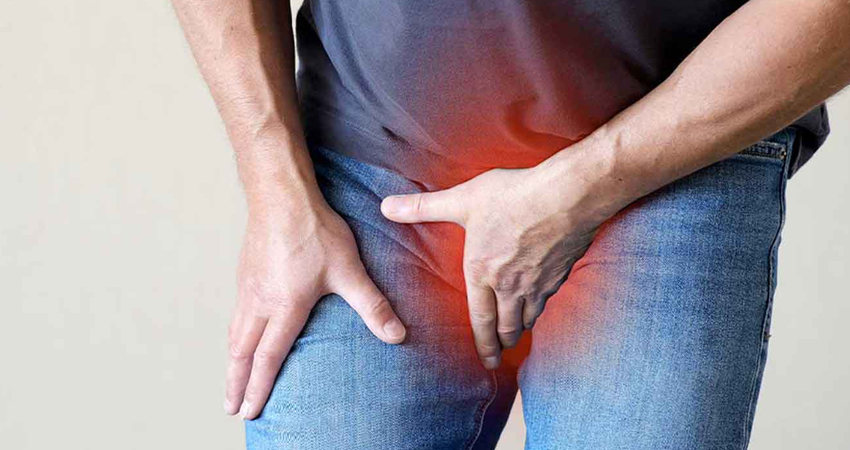
Varicocele – Microsurgical Ligation, Laser & Laparoscopic Management
A varicocele is an abnormal enlargement of the veins within the scrotum — similar to varicose veins in the legs — that drain the testicles. It is one of the most common correctable causes of male infertility and can also cause testicular discomfort and atrophy. Dr. Pravin Goykar offers all three established treatment approaches — microsurgical ligation, laser therapy, and laparoscopic management — tailoring the choice of technique to each patient's clinical profile and goals.
Understanding Varicocele
Varicoceles are found in approximately 15% of all men and up to 40% of men presenting with infertility. They most commonly occur on the left side due to the angle at which the left testicular vein drains. The abnormal pooling of blood raises scrotal temperature, which can impair sperm production, motility, and morphology. Timely treatment can significantly improve fertility outcomes and relieve symptoms.
Symptoms
- Dull aching or dragging discomfort in the scrotum, worse on standing or exertion
- Visible or palpable dilated veins in the scrotum ("bag of worms" appearance)
- Testicular atrophy (reduction in testicular size)
- Male infertility or subfertility
- Abnormal semen parameters on analysis
Treatment Options
Microsurgical Varicocelectomy (Subinguinal / Inguinal)
Microsurgical varicocelectomy is widely regarded as the gold-standard treatment for varicocele. Using an operating microscope, the surgeon precisely identifies and ligates the dilated veins while carefully preserving the testicular artery, lymphatics, and vas deferens. This approach offers the lowest recurrence rate and the lowest risk of complications such as hydrocele formation or testicular injury.
- Performed under spinal or general anaesthesia via a small inguinal or subinguinal incision
- High success rate with low recurrence
- Day-care or short-stay procedure
- Preserves testicular blood supply and lymphatics
Laser Varicocele Treatment
Laser-assisted varicocele treatment uses focused laser energy to close off the abnormally dilated scrotal veins with minimal tissue trauma. This minimally invasive approach results in reduced post-operative pain and faster recovery compared to conventional open surgery, making it suitable for patients seeking a quick return to normal activity.
- Minimally invasive with minimal blood loss
- Reduced post-operative discomfort
- Short recovery period
- Suitable for selected clinical grades of varicocele
Laparoscopic Varicocelectomy
Laparoscopic varicocelectomy is performed using keyhole surgery through small abdominal incisions. The testicular veins are identified at the level of the internal inguinal ring and ligated under high-definition camera guidance. This approach is particularly useful for bilateral varicoceles, as both sides can be treated through the same incisions in a single procedure.
- Ideal for bilateral varicocele correction in a single setting
- Small incisions with faster cosmetic healing
- Performed under general anaesthesia
- Short hospital stay with rapid recovery
Outcomes & Benefits
- Improvement in semen parameters and fertility potential
- Relief from scrotal pain and discomfort
- Prevention of further testicular atrophy
- High long-term success rates with appropriate technique selection
Why Choose Dr. Pravin Goykar?
- Offers all three treatment modalities — microsurgical, laser, and laparoscopic
- Personalised treatment selection based on grade, symptoms, and fertility goals
- Microsurgical expertise to minimise recurrence and complications
- Dedicated post-operative semen analysis and follow-up
- Day-care procedures available for eligible patients