Appendectomy
An appendectomy is the surgical removal of the appendix — a small, finger-shaped pouch attached to the large intestine. It is most commonly performed as an emergency procedure to treat appendicitis, an acute inflammation of the appendix. Dr. Pravin Goykar performs both laparoscopic (minimally invasive) and open appendectomy, selecting the appropriate approach based on the patient's clinical condition.
What Is Appendicitis?
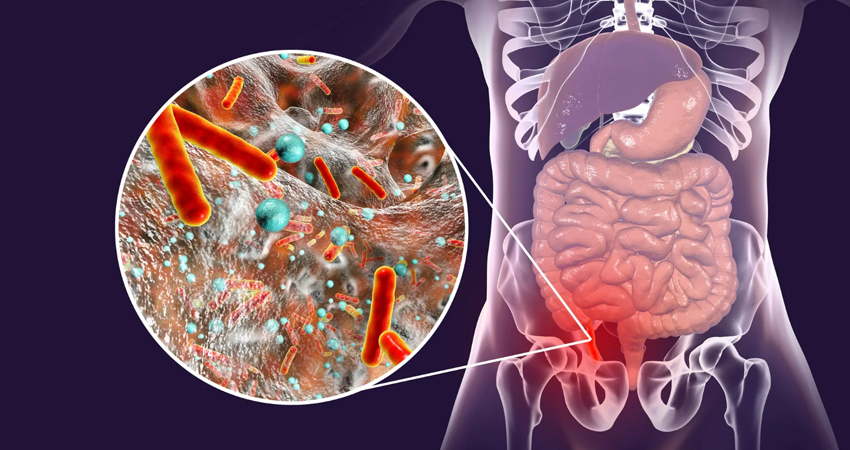
Appendicitis occurs when the appendix becomes inflamed, typically due to a blockage by stool, foreign material, or infection. The condition can progress rapidly and, if untreated, may lead to a ruptured appendix — a serious and potentially life-threatening complication. Appendicitis is one of the most common causes of emergency abdominal surgery.
Symptoms of Appendicitis
- Sudden pain beginning around the navel that shifts to the lower right abdomen
- Pain that worsens with movement, deep breathing or coughing
- Nausea and vomiting
- Loss of appetite
- Low-grade fever
- Abdominal bloating or rigidity
If you experience these symptoms, it is important to seek prompt medical attention.
Laparoscopic Appendectomy
Laparoscopic appendectomy is the preferred technique for most patients. It is performed through two to three small incisions in the abdomen. A camera and surgical instruments are introduced, and the inflamed appendix is carefully identified, separated from its blood supply, and removed. The procedure is performed under general anaesthesia.
Open Appendectomy
An open appendectomy may be necessary in cases of a ruptured appendix with significant peritoneal contamination, adhesions from previous surgery, or when laparoscopic surgery is not safe. It involves a single incision in the lower right abdomen to access and remove the appendix.
Benefits of Laparoscopic Appendectomy
Smaller Incisions
Keyhole incisions reduce tissue disruption and scarring.
Faster Recovery
Most patients can resume light activities within a few days.
Shorter Hospital Stay
Laparoscopic surgery generally allows earlier discharge.
Lower Wound Infection Risk
Smaller wounds have a reduced risk of post-operative infection compared with open surgery.
Better Visualisation
The laparoscope provides a magnified view of the abdominal cavity, allowing thorough assessment of surrounding structures.
Post-Operative Care
Following surgery, patients are monitored for recovery. Dietary guidance and activity restrictions are provided. Follow-up appointments are arranged to ensure complete recovery and to address any concerns.
Why Choose Dr. Pravin Goykar?
- Experienced in both emergency and elective appendectomy
- Skilled in laparoscopic and open surgical techniques
- Available for emergency surgical care
- Thorough intra-operative assessment of the abdominal cavity
- Comprehensive post-operative follow-up