Hernia Repair (Laparoscopic & Open)
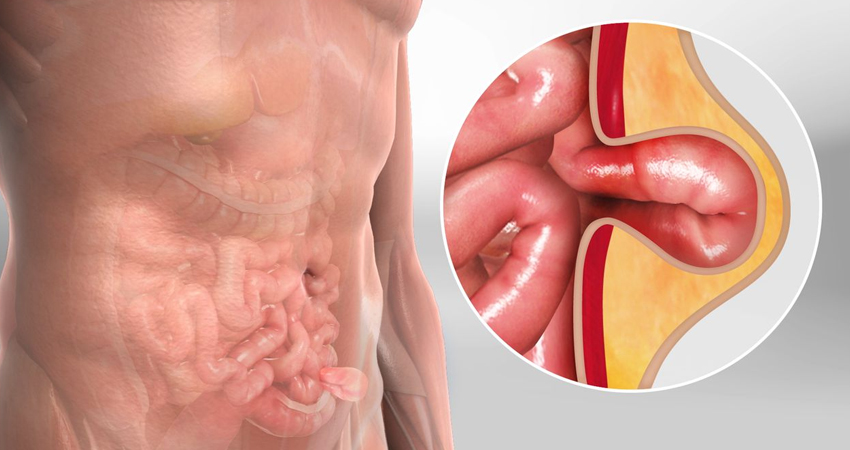
A hernia occurs when an organ or fatty tissue pushes through a weak spot or tear in the surrounding muscle or connective tissue. Dr. Pravin Goykar performs both laparoscopic (minimally invasive) and open surgical hernia repairs, selecting the most appropriate approach based on the type, size, and complexity of the hernia and the patient's overall health.
Types of Hernias Treated
- Inguinal Hernia – The most common type, occurring in the groin area when tissue pushes through a weak spot in the abdominal muscles.
- Umbilical Hernia – Occurs around the navel when part of the intestine protrudes through the abdominal wall.
- Incisional / Ventral Hernia – Develops at the site of a previous abdominal surgical incision.
- Epigastric Hernia – Occurs in the upper abdomen, between the navel and the chest.
- Femoral Hernia – Less common, occurring just below the groin, more frequently seen in women.
- Recurrent Hernia – A hernia that has returned following a previous repair.
Laparoscopic Hernia Repair
Laparoscopic hernia repair is performed through small keyhole incisions using a camera and specialised instruments. Dr. Goykar is experienced in advanced laparoscopic techniques including:
- TAPP (Transabdominal Preperitoneal Repair) – A laparoscopic approach for inguinal hernia repair performed through the abdominal cavity.
- TEP (Totally Extraperitoneal Repair) – A laparoscopic technique that repairs the hernia without entering the abdominal cavity.
- e-TEP (Extended Totally Extraperitoneal Repair) – An advanced minimally invasive approach for larger or more complex hernias, including ventral and incisional hernias.
- IPOM / SCOLA – Intraperitoneal onlay mesh and related techniques for selected abdominal wall hernias.
Open Hernia Repair
Open surgery may be recommended in certain situations, including very large hernias, strangulated hernias, recurrent hernias, or when laparoscopic repair is not suitable. Open repair involves a single incision near the hernia site and placement of a surgical mesh to reinforce the abdominal wall.
Benefits of Laparoscopic Hernia Repair
Smaller Incisions
Keyhole incisions reduce tissue trauma compared with open surgery.
Reduced Post-Operative Pain
Minimally invasive surgery is generally associated with less discomfort after the procedure.
Shorter Hospital Stay
Many laparoscopic hernia repairs can be performed as day-care or short-stay procedures.
Faster Recovery
Patients may return to normal activities sooner compared with open repair in selected cases.
Bilateral Repair in One Procedure
Laparoscopic techniques allow both sides to be repaired through the same incisions if bilateral hernias are present.
Why Choose Dr. Pravin Goykar?
- Expertise in advanced laparoscopic hernia repair (TAPP, TEP, e-TEP, IPOM)
- Experience with both laparoscopic and open surgical techniques
- Individualised surgical planning based on hernia type and patient profile
- Comprehensive pre- and post-operative care
- Focus on durable repair and low recurrence